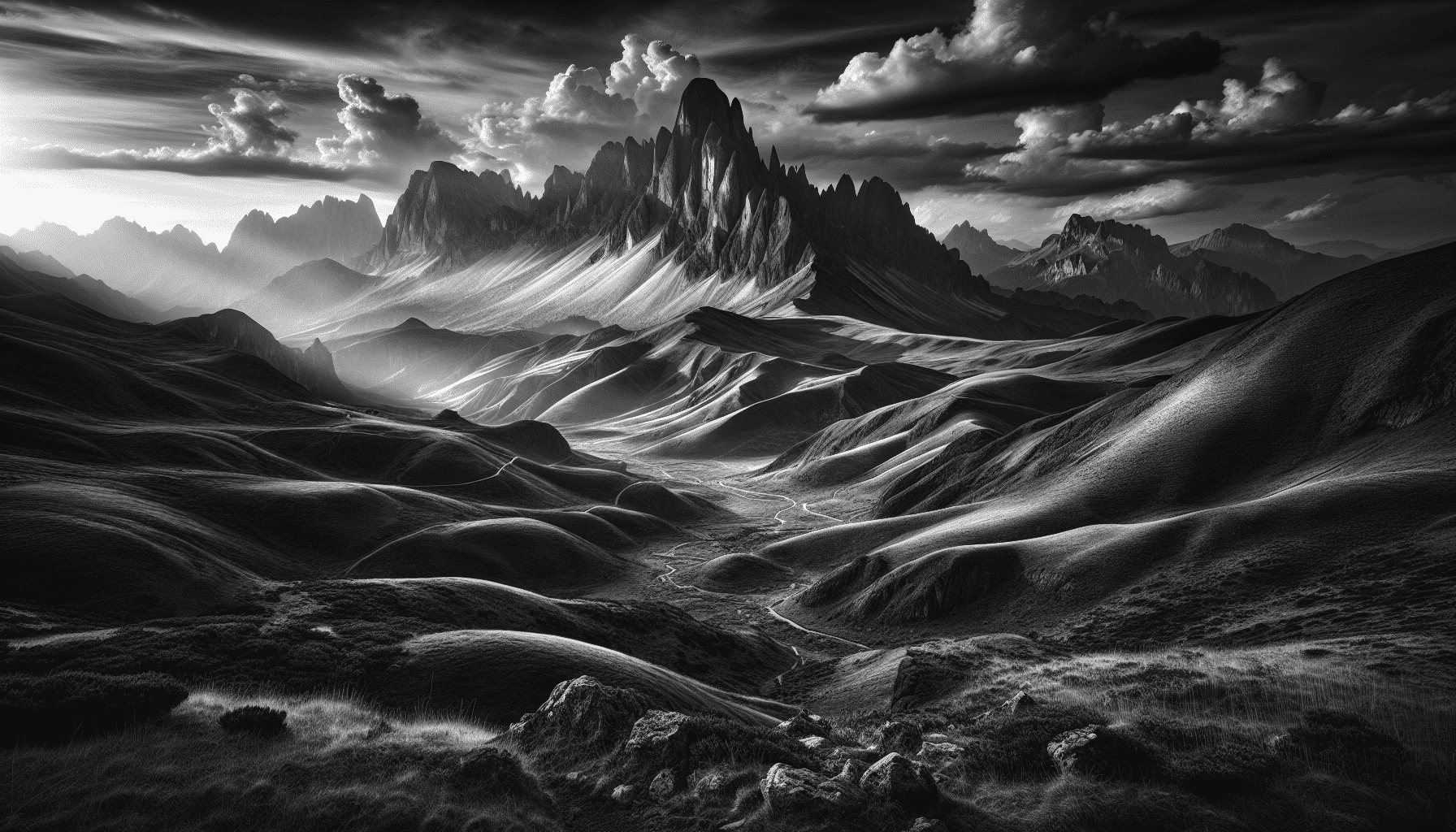
Black and white photography, often perceived as classic and timeless, holds a compelling allure for both photographers and viewers alike. Stripped of color, it relies heavily on the interplay of light and shadow, contrast, and the textures that manifest through careful attention to these elements. This style can transform even the most mundane subjects into captivating works of art by emphasizing shape, form, and emotion.
Understanding Light and Shadow
The foundation of black and white photography lies in the masterful understanding of light and shadow. Without the distraction of color, the interplay between these elements becomes paramount. Effective use of natural light can create dramatic contrasts that elevate a composition. Soft lighting can be harnessed to reveal subtle textures and add depth, while harsh, direct light often results in strong shadows that can create striking contrasts.
Experimenting with different times of day can yield varying light conditions, each producing unique effects. For instance, the soft light of early morning or late afternoon can create gentle shadows, while midday light results in bold, high-contrast images.
Enhancing Contrast
Contrast manipulation is a critical technique in black and white photography. The lack of color makes it essential to find other ways to separate the subject from the background and add interest. High contrast can emphasize strong lines and shapes, turning ordinary views into graphic, eye-catching images. Low contrast, on the other hand, can be used to create a moody, atmospheric tone that softens edges and lends a dreamlike quality.
In post-processing, photographers often adjust contrast levels to accentuate certain details, guiding the viewer's eye and enhancing the overall impact of the image. Experimenting with contrast can transform the mood of a photograph, making it an indispensable tool in your creative arsenal.
Exploring Texture
Textures become especially pronounced in black and white photography, providing a tactile quality that invites viewers to explore further. Whether it’s the rough bark of a tree, the smooth surface of a stone, or the layers of a fabric, textures add richness to a composition.
Macro photography is particularly effective in highlighting textures, allowing photographers to focus closely on their subject and reveal details that might go unnoticed in color images. The absence of color enables these textures to take center stage, drawing attention through their intricate patterns and details.
Learning from the Masters
Iconic photographers like Ansel Adams, Dorothea Lange, and Henri Cartier-Bresson have long inspired enthusiasts of black and white photography. Studying their work offers valuable insights into composition, light management, and storytelling without the distraction of color. Adams, known for his landscape photography, captured immense detail and texture in nature's vastness, emphasizing the drama of the natural world. Lange's poignant portrayal of human subjects during the Great Depression provides lessons in emotion and narrative captured through monochrome.
By analyzing their techniques, compositions, and use of light, you can glean valuable lessons that can be applied to your photography. Iconic black and white images bear witness to the photographer's profound understanding of their craft—an understanding that elevates their subjects far beyond mere representation.
Finding Your Voice
Ultimately, mastering black and white photography is about developing a personal style and voice. It's about recognizing which aspects—be it light, texture, or contrast—convey the emotions and narrative you wish to express. Through experimentation, observation, and practice, you'll uncover what resonates with you most deeply, enabling you to create images that speak with clarity and emotion.
In conclusion, black and white photography is not merely a representation devoid of color; it is a study in the essence of photography itself. Through careful manipulation of light, contrast, and texture, photographers can create powerful images that transcend language and culture, speaking directly to the viewer's emotions.