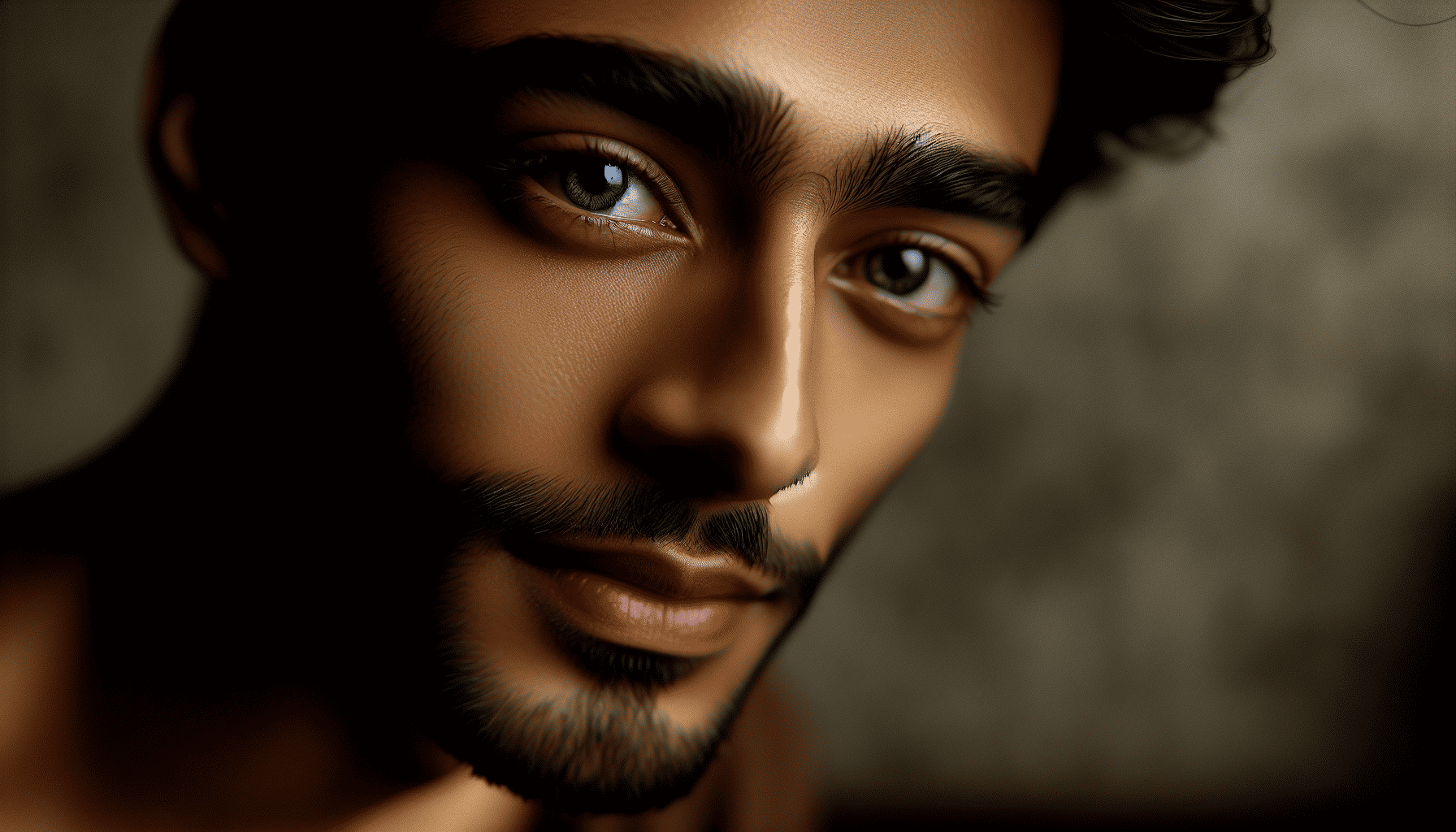
Exploring the art of portrait photography opens a gateway to a world where emotions, stories, and essence are encapsulated in a single frame. Unlike other genres of photography, portraits carry the incredible power to reveal the hidden depths of individuals, offering a glimpse into their inner world. This intricate art form requires thoughtful composition, sensitivity, and a keen understanding of human emotions.
At the heart of portrait photography lies its fundamental goal: capturing the essence of a person. To achieve this, photographers should first build a genuine connection with their subjects. It is through this connection that trust is established, allowing for genuine emotions to emerge. Speaking with the subjects, understanding their narratives, and even sharing a few laughs can significantly relax them, resulting in more natural, expressive portraits.
Lighting serves as a vital element in determining the mood and depth of a portrait. Natural light, particularly during the golden hours, can add warmth and softness to a portrait. However, mastering artificial light sources or even a mix of both can create dramatic effects that enhance the subject's features. Understanding lighting dynamics empowers photographers to highlight emotions accurately, be it the subtlety of a smile or the intensity of a gaze.
Equally important is the composition—the strategic arrangement of elements within the frame. Simple adjustments, such as altering the angle or using different focal lengths, can change the story a portrait tells. Portrait photographers often experiment with backgrounds and depth of field to draw attention to their subjects, allowing their personality to take center stage while minimizing distractions.
In portrait photography, capturing candid moments often proves most rewarding. Unplanned laughter, thoughtful expressions, or a momentary glance are the fragments of time that frame authenticity. These fleeting instances breathe life into portraits, telling stories that resonate deeply with the viewer.
Post-processing plays a subtle yet significant role in refining portraits. Adjustments in color grading, contrast, and sharpness can enhance the mood and expression without compromising the essence of the subject. It's a delicate balance, ensuring that the photo remains a true representation of reality, while also polished to narrate the envisioned story.
Moreover, each portrait session brings unique challenges and opportunities. No two subjects are alike, and no two stories mirror each other. This diversity enriches the practice of portrait photography, offering photographers endless avenues for creativity and innovation.
Aspiring portrait photographers should also engage with a community of fellow photographers. Collaboration and sharing insights can bring new perspectives and stimulate growth. Workshops and critique sessions provide invaluable feedback, allowing photographers to refine their skills continually.
In essence, portrait photography is an honest exploration of humanity, requiring not only technical skill but empathy and creativity. It's about seeing beyond the lens, delving into the soul, and celebrating the shared connections that define us all. With each click, a new story unfolds, inviting viewers to delve into the captured emotions and connect with the subject's journey.