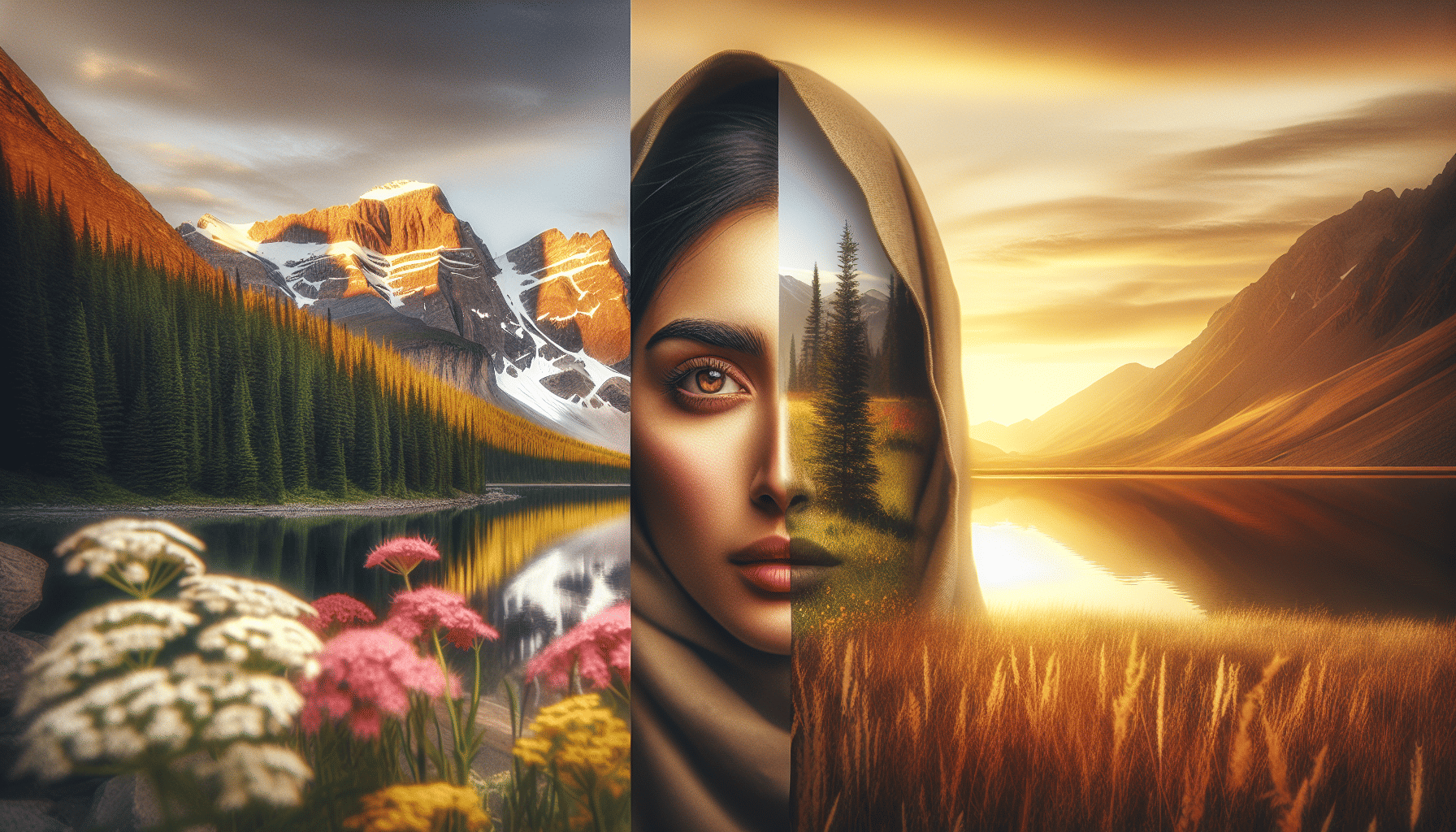
Photography is an art form that captures the interplay of light, texture, and emotion. Whether focusing on the vast expanse of a landscape or the intimate details of a portrait, the quest for beauty and expression is the same. Understanding the principles of light and detail is key to creating mesmerizing images that draw viewers into the scene.
The Dance of Light in Landscapes
In landscape photography, light is everything. The quality of light dramatically affects the mood and atmosphere of a photograph. Early morning and late afternoon are often considered the golden hours for outdoor photography, providing gentle, warm tones that add depth and vibrancy to images. During these times, shadows are longer and textures more pronounced, highlighting the landscape's natural beauty.
Capturing landscapes often involves understanding the direction of light. Side lighting can accentuate textures and shapes, creating dynamic compositions, while front lighting can result in flatter images but with more uniformly lit details. Backlighting can be used to great effect as well, producing silhouettes or highlighting the translucency of leaves and grasses.
Emphasizing Detail in Portraits
Portrait photography celebrates the unique characteristics of the subject, focusing on expressions, mood, and personality. Lighting plays a crucial role here as well, shaping the subject's features and setting the tone of the image.
Soft light, often achieved through diffusers or natural sources like a cloudy sky, tends to be flattering in portraits. It reduces harsh shadows, creating even skin tones and highlighting the natural beauty of the subject. Meanwhile, directional lighting can add drama and emphasize facial features, offering a more intense and emotional impact.
Attention to detail also involves understanding the balance between the subject and their surroundings. Bokeh, the aesthetic quality of the background blur, can be employed to isolate the subject, drawing the viewer's eye directly to them while maintaining a sense of depth.
Mastering Composition and Technique
Both landscape and portrait photography require a keen eye for composition. In landscapes, the use of leading lines, framing, and the rule of thirds can guide the viewer's eye through the image, telling a story and creating a sense of scale. In portraiture, compositional choices like the angle, cropping, and focus all contribute to the narrative conveyed by the photograph.
Utilizing advanced techniques such as HDR (High Dynamic Range) imaging in landscapes can help accommodate a wide range of exposures, capturing elements in both shadow and highlight. In portraiture, understanding depth of field can be crucial for drawing emphasis to the subject.
The Role of Emotion and Storytelling
Beyond technical skills, the essence of compelling photography lies in its ability to evoke a response from the viewer. Every photo, whether of a vast mountain range or the expressive eyes of a subject, tells a story. The best photographers convey emotion through their images, enticing viewers to imagine the moments surrounding the capture.
In conclusion, the artistry of landscape and portrait photography is rooted in the photographer's ability to manipulate light and detail. By mastering these elements and nurturing a connection with the scene or subject, photographers can create images that resonate deeply, leaving a lasting impact on the viewer.