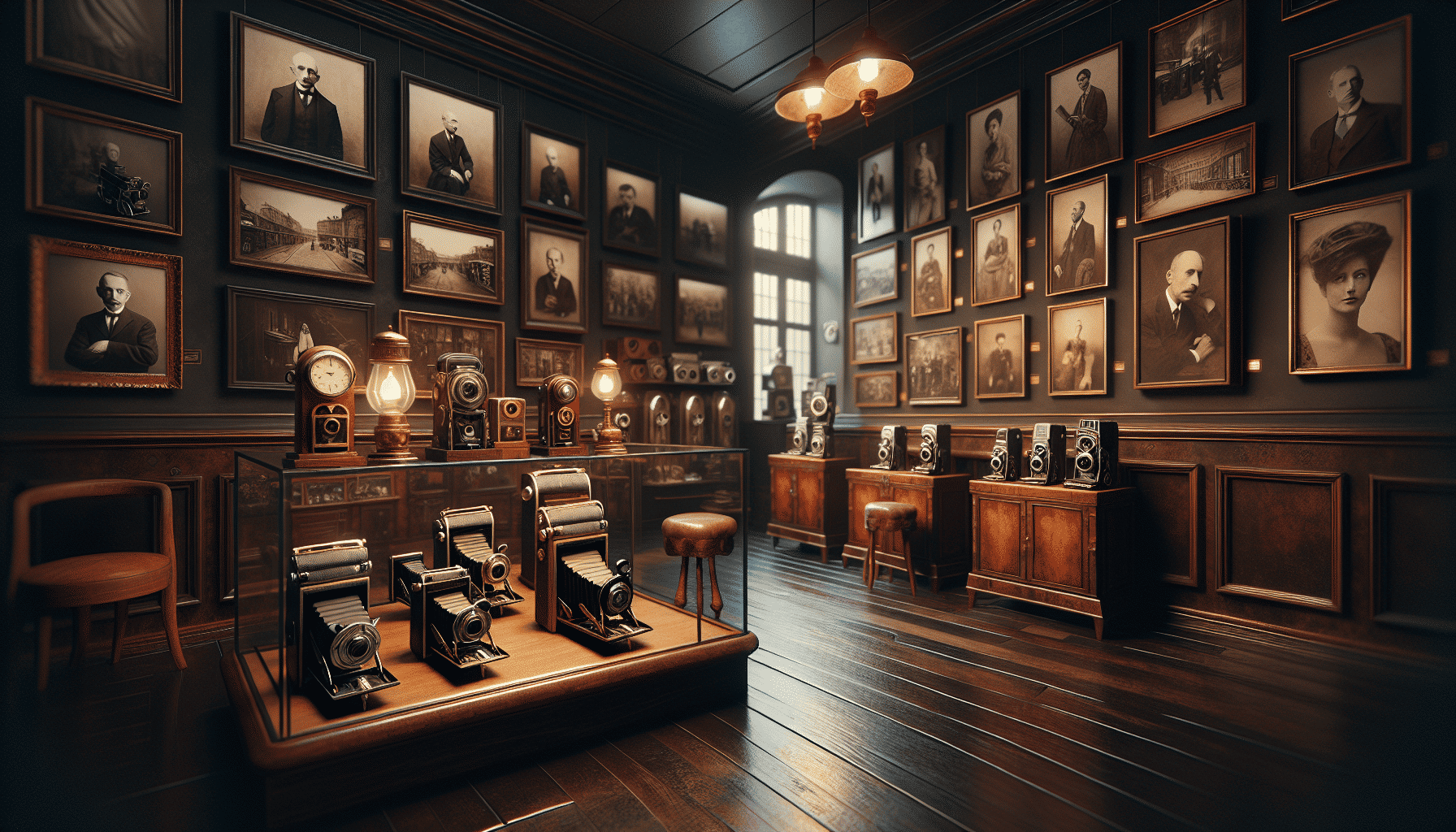
The history of photography is a rich tapestry woven with innovation, creativity, and the pursuit of capturing the fleeting moments of life. This journey through time highlights the transformation of photography from a rudimentary process to a sophisticated art form, spotlighting the contributions of influential photographers who pushed boundaries and expanded our visual horizons.
In the early 19th century, the inception of photography marked a seismic shift in the way humans visually documented their world. The daguerreotype, introduced by Louis Daguerre in 1839, was the first publicly announced photographic process. It captivated audiences with its ability to produce finely detailed images, though the method was complex and time-consuming.
As the century progressed, advances came swiftly. The introduction of the wet plate collodion process in the 1850s by Frederick Scott Archer reduced exposure times and made photography more accessible. Soon after, the dry plate process allowed photographers greater flexibility and ease in capturing images, contributing to photography's growing popularity.
A pivotal moment arrived with the development of roll film by George Eastman in the late 19th century. This innovation laid the foundation for the mass adoption of photography, allowing amateurs and professionals alike to explore the medium. Around the same time, iconic photographers like Julia Margaret Cameron and Nadar were pushing creative boundaries, exploring photography as an expressive tool rather than purely a method of documentation.
The 20th century ushered in a new era, with the emergence of photojournalism and the rise of influential photographers whose work profoundly impacted visual storytelling. Figures like Robert Capa and Dorothea Lange used their cameras to document pivotal historical events, from wars to social injustices, bringing these images into the public eye and influencing perceptions.
With the advent of digital photography in the late 20th century, another revolution took place. Suddenly, photographers had near-unlimited freedom to experiment with images, both in terms of how they were captured and post-processed. This digital age opened the door for a new generation of photographers, democratizing the art form and inspiring countless creative interpretations.
Throughout this transformative journey, iconic photographers have played a crucial role in shaping the medium. Ansel Adams, for example, is renowned for his breathtaking landscapes that highlight the grandeur of nature, while Cindy Sherman's work challenges societal norms and explores identity. Their contributions, alongside many others, have cemented photography's status as a powerful form of art and communication.
As we trace the evolution of photography, we celebrate not just the technological advancements but the visionaries who harnessed these tools to expand our understanding and appreciation of the world. From capturing historic moments to conveying profound artistic visions, photography continues to evolve, remaining an integral part of human expression in an ever-changing landscape.