Photography is a dynamic form of art that weaves together technical skill and creative vision. Mastering photographic techniques involves understanding and effectively applying principles such as composition and lighting, which are the backbone of compelling imagery.
Composition
Composition refers to the arrangement of elements within a photograph. It plays a crucial role in guiding the viewer's eye and evoking the desired emotional response. One fundamental compositional principle is the Rule of Thirds, which involves dividing the frame into a 3x3 grid and placing key elements along these lines or at their intersections. This method often results in more balanced and visually interesting images.
Leading lines are another powerful tool, where natural or created lines lead the viewer's gaze into the photograph, often guiding them toward the main subject. These lines can be anything from roads and pathways to fences or horizon lines.
Framing your subject is another effective technique. This involves using elements within the scene to frame the subject, drawing attention to it and adding depth to the image. Natural frames include archways, windows, or tree branches.
Negative space, the area around and between the subjects of an image, is equally significant. It can help highlight the subject, convey simplicity, and give the photograph a sense of calm and balance.
Lighting
Lighting can make or break a photograph. It sets the mood, reveals texture, and highlights details. Understanding the direction, quality, and color of light is essential.
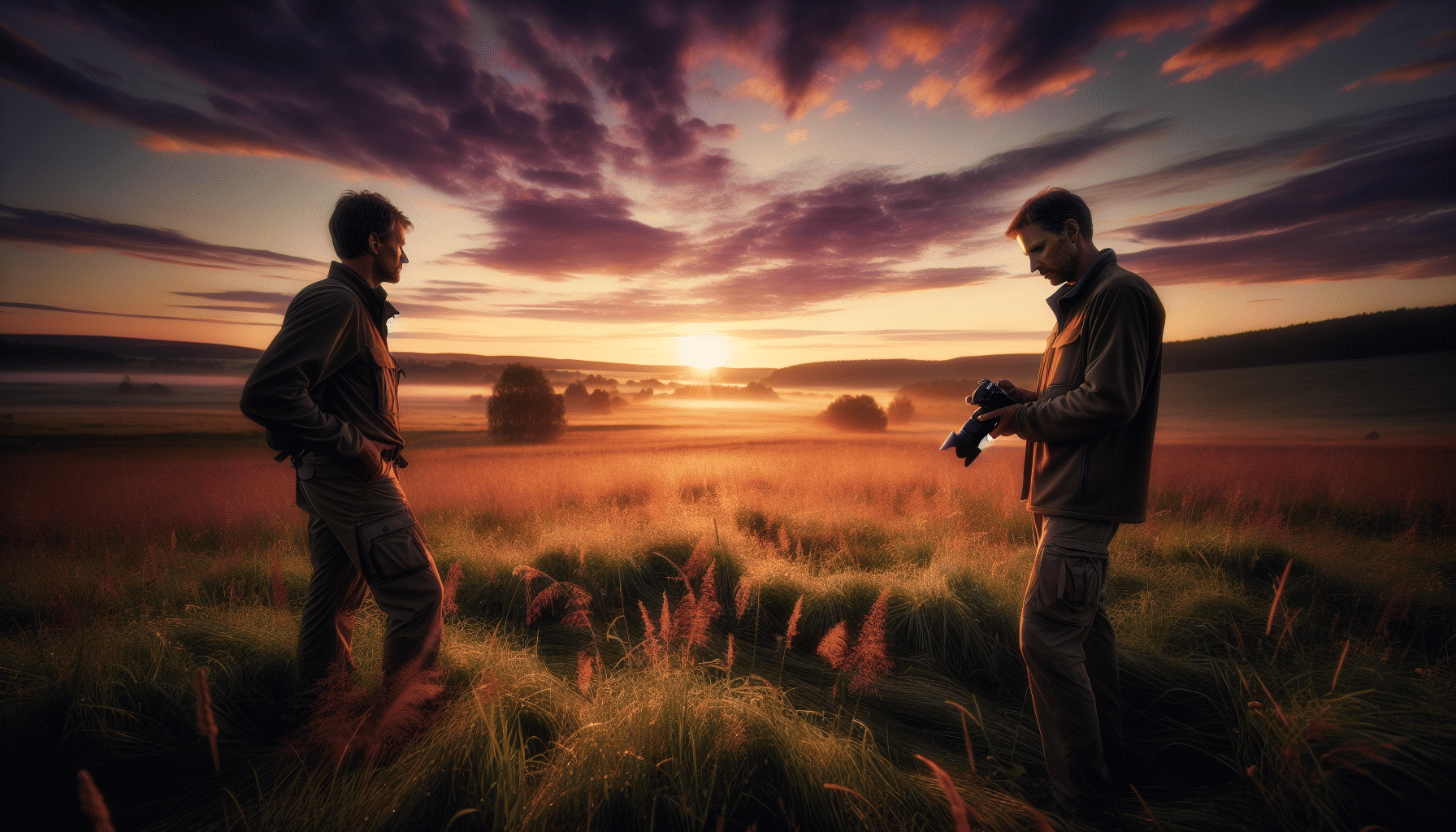
Natural light, such as sunlight, varies in quality based on the time of day. The golden hour, occurring around sunrise and sunset, is particularly cherished by photographers for its warm tones and soft shadows. Midday sun, conversely, casts harsh shadows and is often less flattering.
Artificial lighting, from sources like studio lights, provides control over intensity and direction. Mastering these tools allows photographers to shape light to suit their creative needs. Softboxes and reflectors are commonly used to diffuse and redirect light, creating more pleasing and natural-looking illumination.
The angle of light also influences the mood and perception in a photograph. Front lighting often results in evenly lit images, while side lighting emphasizes texture and form. Backlighting can create dramatic silhouettes or rim lighting effects, adding depth and interest.
Mastery Through Practice
Achieving mastery requires practice and experimentation. Analyzing work from other photographers can provide insights into effective use of composition and lighting. Engage in self-critique, revisiting your own work to identify areas for improvement. Trial and error in different environments and with various equipment can strengthen your command of photographic techniques.
Photography is an artform in perpetual evolution. As technology advances and personal styles develop, refining skills in composition and lighting ensures a photographer's ability to capture the world in captivating and innovative ways. By honing these foundational techniques, one can transform ordinary scenes into extraordinary visual stories.