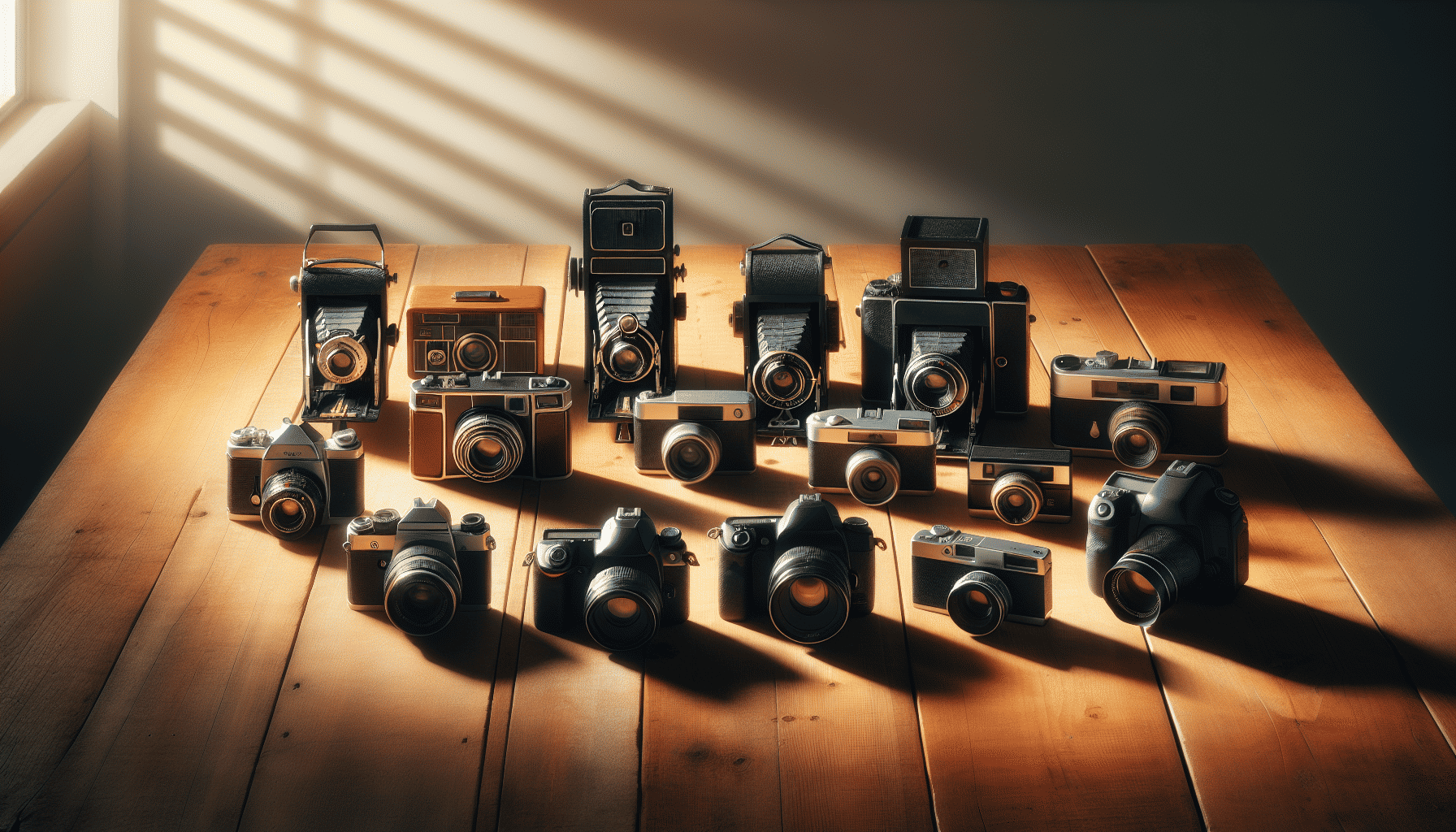
Understanding the fundamental aspects of cameras is essential for anyone looking to elevate their photography skills. This guide will introduce you to the basic components and functions of cameras, offering a solid foundation to build upon.
Types of Cameras
-
DSLR Cameras: These cameras are known for their versatility and image quality, suitable for both beginners and professionals. They feature interchangeable lenses, allowing for a wide range of shooting options.
-
Mirrorless Cameras: Gaining popularity, these cameras offer similar functionality to DSLRs but are typically more compact. They lack the mirror mechanism found in DSLRs, providing a lighter and quieter alternative without compromising on quality.
-
Compact Cameras: Also known as point-and-shoot cameras, they are favored for their ease of use and portability. Ideal for everyday photography, they are a convenient option for casual photographers.
-
Smartphone Cameras: Modern smartphones are equipped with advanced cameras that are great for quick shots and social media sharing. They often come with various modes and settings to enhance the photographic experience.
Basic Camera Settings
-
Aperture: This refers to the size of the lens opening, which controls the amount of light entering the camera. A lower f-number (wider aperture) results in more light and a shallow depth of field, while a higher f-number (narrower aperture) offers a deeper focus range.
-
Shutter Speed: This determines how long the camera’s shutter remains open to expose light onto the sensor. Faster shutter speeds capture quick action without blur, whereas slower speeds are useful for low-light conditions or creative effects like motion blur.
-
ISO: This measures the sensitivity of the camera sensor to light. A lower ISO is best for bright environments to reduce noise, while higher ISO settings can be beneficial in dim lighting but may introduce graininess to the image.
-
Exposure: A combination of aperture, shutter speed, and ISO contributes to the overall exposure. Balancing these three settings is key to achieving the desired brightness and clarity in your photos.
Additional Tips for Enhancing Photography Skills
-
Understand Composition: The rule of thirds, leading lines, and framing are essential techniques for composing visually appealing images. Experimenting with different angles and perspectives can also add interest.
-
Lighting Awareness: Natural light is often preferred, so try to shoot during the golden hours—shortly after sunrise or before sunset. Soft, diffused lighting yields flattering results, reducing harsh shadows.
-
Practice: As with any skill, practice is crucial. Experimentation allows you to discover personal preferences and refine techniques.
-
Post-Processing: Software can enhance images further, allowing adjustments in color, contrast, and sharpness. Familiarize yourself with basic editing tools to complete your photographic process.
By grasping the fundamentals of how cameras function and actively applying them in practice, you will be well on your way to producing captivating and professional-quality photos. Continuous learning and exploration are key components of mastering photography.